viewtech365@gmail.com

Mastering the Latest Sidebar Figma Component Designs in 2026

Mastering the Latest Sidebar Figma Component Designs in 2026

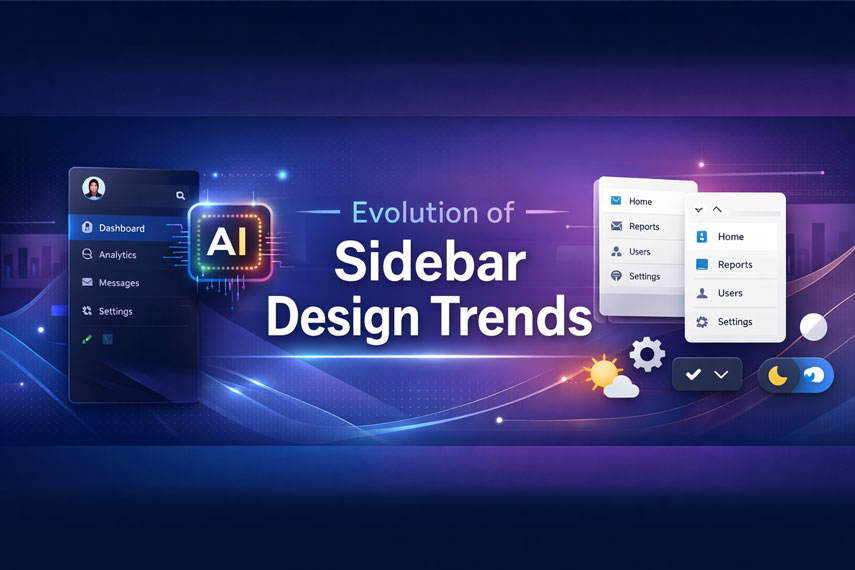
How to Design a Modern Figma Sidebar (2026 Guide) – Responsive Dashboard UI & Components Sidebar components are essential in modern dashboard UI, admin panels, and SaaS web apps. In 2026, Figma sidebar design focuses on responsiveness, accessibility, AI-assisted workflows, and clean visual hierarchy. This guide walks you through trends, best practices, and step-by-step techniques

Mastering the Latest Sidebar Figma Component Designs in 2026 Read More »

AI and Design Systems Guidelines

AI and Design Systems Guidelines by Brad Frost focus on integrating AI tools with design systems

What are Brad Frost’s Atomic Design principles? Brad Frost’s Atomic Design is a methodology for building scalable, consistent design systems by breaking interfaces into five hierarchical stages inspired by chemistry. It promotes modularity, reusability, and team alignment in UI/UX work. Five Stages Atoms: The foundational elements like buttons, inputs, labels, or typography—irreducible building blocks that

AI and Design Systems Guidelines by Brad Frost focus on integrating AI tools with design systems Read More »

Top 10 AI Website Login Page Designs Fully Figma Compatible

Top 10 AI Website Login Page Designs Fully Figma Compatible: Copy and Paste Ready

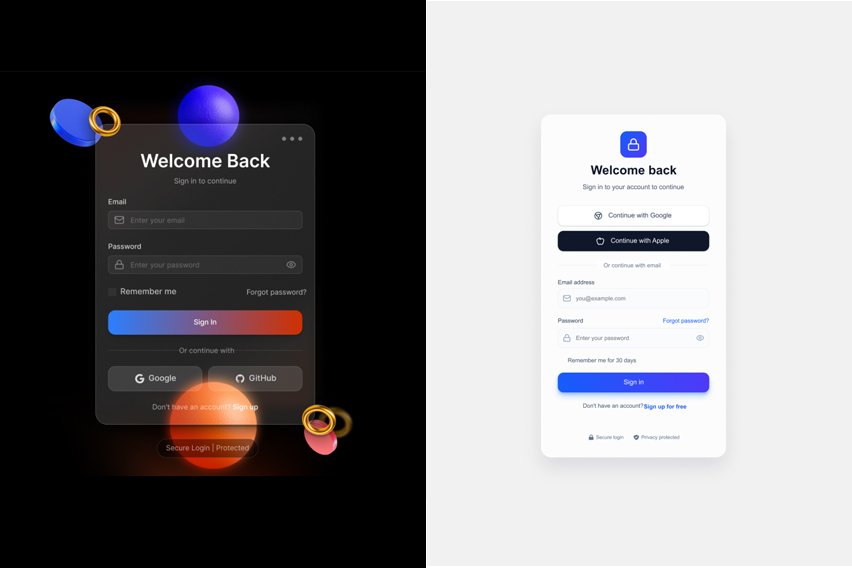
AI-powered login pages are revolutionizing web design by blending sleek aesthetics with smart functionality. These Figma-compatible templates from make-mockup.com let UI/UX designers like you duplicate, customize, and deploy in minutes—no coding needed. Why Choose AI Login Page Designs? Modern login pages must balance security, speed, and style to boost user trust and conversions. AI-driven designs

Top 10 AI Website Login Page Designs Fully Figma Compatible: Copy and Paste Ready Read More »

When to use qualitative vs quantitative UX research method

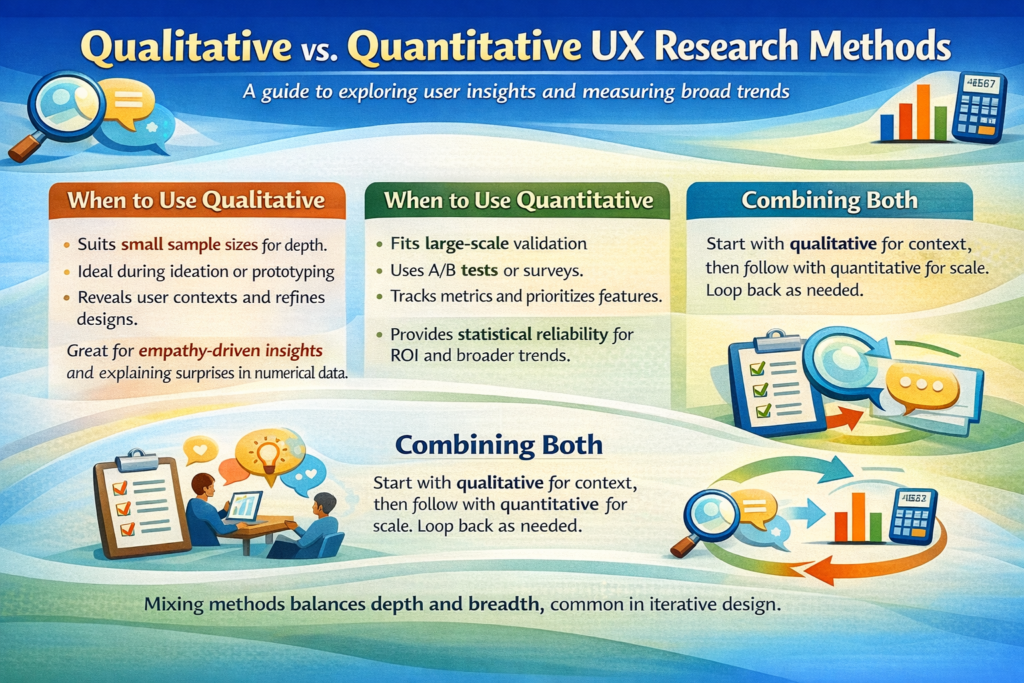
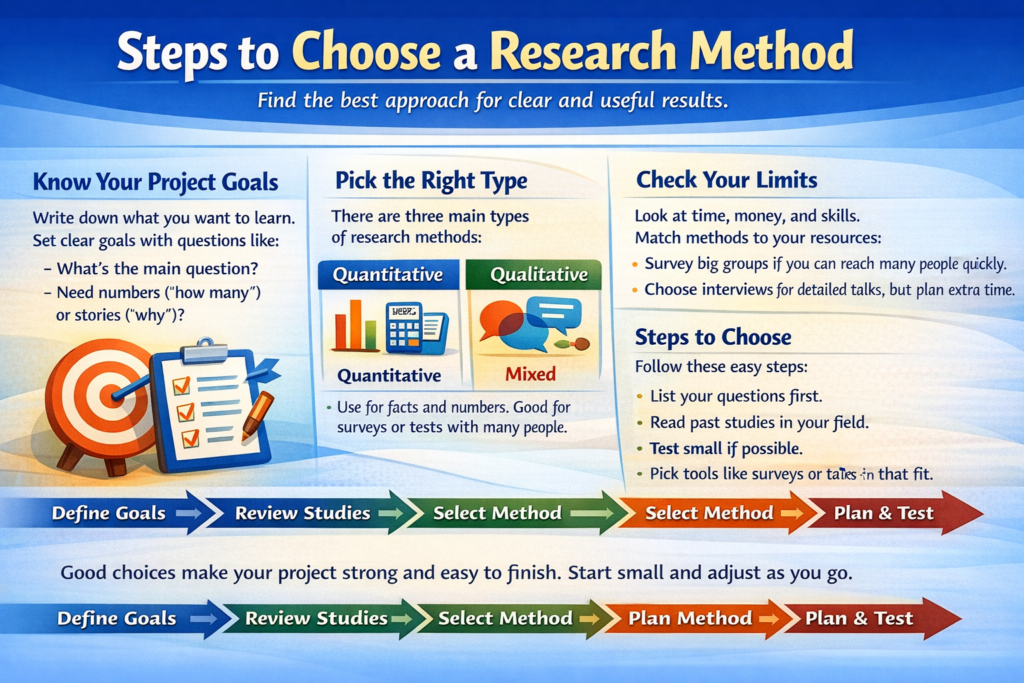
Qualitative UX research methods uncover user motivations, emotions, and pain points through open-ended insights, while quantitative methods measure behaviors, patterns, and performance with numerical data. Use qualitative early in discovery to explore “why” questions and generate ideas, and quantitative later for validation and benchmarking “what” or “how much” occurs. When to Use Qualitative Qualitative suits

When to use qualitative vs quantitative UX research method Read More »